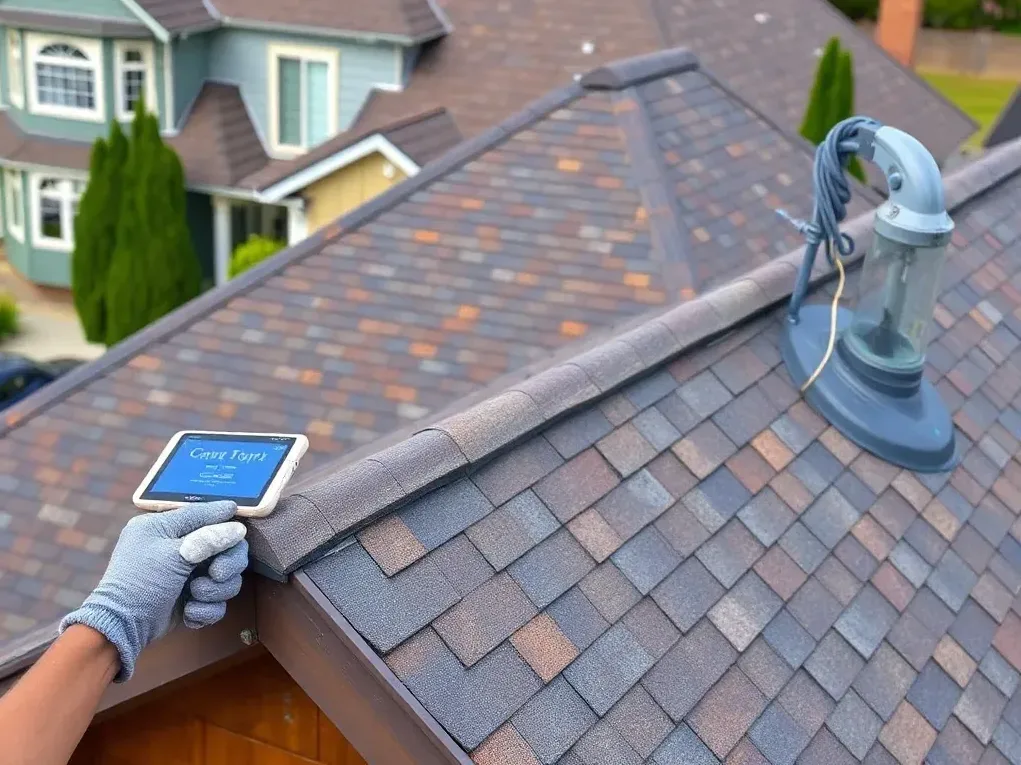
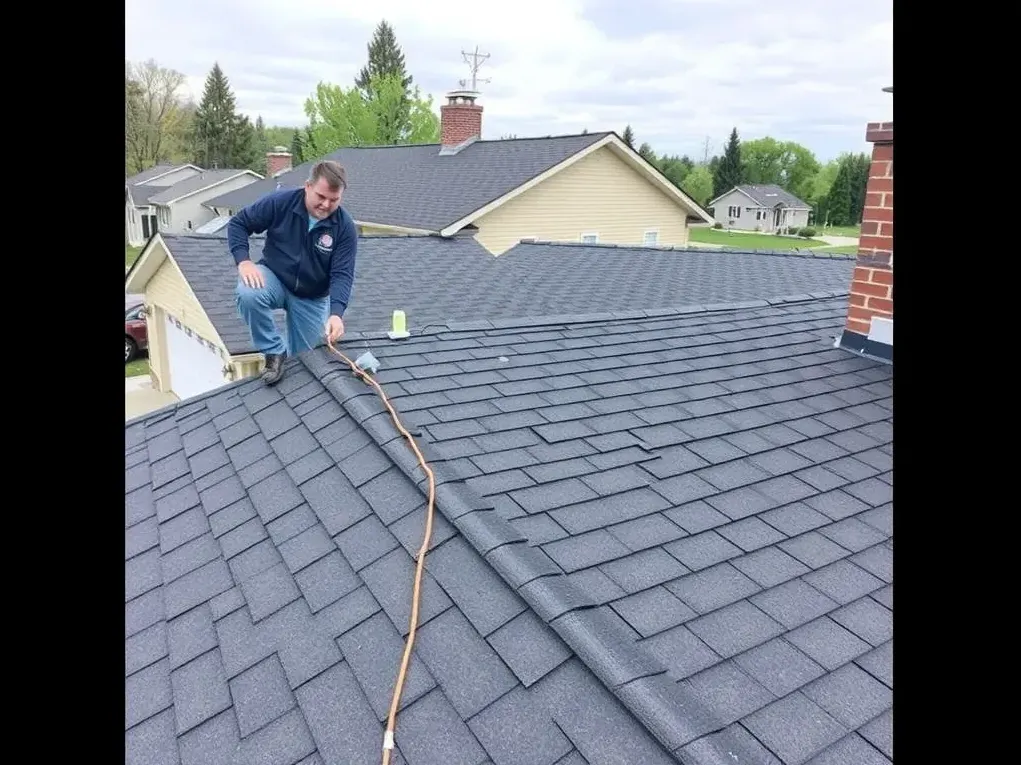
Metal roofing here means a metal panel system: steel or aluminum panels locked across the roof deck, with underlayment beneath, flashing at every penetration, and fasteners rated for wind uplift. We start with a roof inspection of the decking, sheathing, and rafters.
Two systems cover most jobs. A standing-seam panel uses concealed clips, so no fastener shows through the finish. Exposed-fastener panels and corrugated panel profiles cost less and set a screw with a neoprene washer at every rib.
Panel gauge and the paint system decide how long the color holds: PVDF finishes on higher-end standing-seam steel, SMP on value lines. We set panels from McElroy Metal, ATAS, and Decra, alongside aluminum and stone-coated steel.
What goes into a metal roof system
- Ice-and-water shield runs along the eave and up the valley, where meltwater refreezes into an ice dam and backs up under the panels.
- Synthetic underlayment or roofing felt covers the field between that shield and the ridge cap.
- Drip edge protects the eave and rake, so runoff clears the fascia instead of wicking into the wood.
- Ridge cap covers the ridge, and ridge vent paired with soffit vent and an attic fan pulls attic air so the insulation stays dry.
- Step flashing and counter-flashing guard the sidewalls; chimney flashing, pipe flashing, pipe boot, and vent boot seal the penetrations.
- A skylight or dormer gets its own apron flashing and boot flashing, and a parapet gets coping and a scupper to steer water off the roof.
- Sealant, caulk, mastic, roof cement, and adhesive close the small gaps a panel lap leaves behind.
- Snow guards hold winter snow so it releases in pieces instead of sliding off in one slab over a canopy, awning, or deep overhang.
- Gutter and downspout carry water off the roofline and away from the foundation.
Ventilation only works if the attic air has somewhere to go, so a vapor barrier on the warm side keeps that airflow from pulling moisture into the insulation.
The panels are the visible part. The waterproofing and weatherproofing sit in the underlayment, the flashings, and the sealant lines you will never see from the driveway.
How metal compares to what is on the roof now
- An asphalt shingle roof, three-tab shingle or architectural shingle, costs less up front and is what most 1950s-70s gable-front ranches and split-levels here carry now.
- Wood shake and cedar shake suit older farmhouses and historic homes but want more upkeep and hold onto snow longer.
- Slate, clay tile, and concrete tile outlast everything but need a heavier substrate than a mid-century rafter set usually provides.
- Flat and low-slope sections use a membrane: TPO, EPDM, or PVC membrane over a built-up roof or modified bitumen.
The installation, step by step
- We tear off the old roof to the deck and check plywood or OSB sheathing, joists, trusses, and the ridge beam for rot and sag.
- Purlins and battens, including a counterbatten layer, go down where the design calls for a vented gap under the panels.
- A roofing square of material at a time goes up, with the crew anchored to a safety harness point and working off a ladder or scaffold.
- A nail gun, air compressor, pry bar, and roofing shovel handle sheathing repairs and pull old nails; the dumpster holds the debris.
- Panels go over the underlayment in staggered courses and are hand-sealed at the details instead of simply lapped.
Mansard and gambrel rooflines, dormers, and the hip and verge edges all create intersections where water collects. Those details get extra flashing and a closer look at the pitch.
Older flat roofs often carry tar, pitch, and bitumen residue, plus tar paper and felt that have to come off before a coating or a new membrane goes on. A torch set handles the modified bitumen details.
Building code sets how far ice-and-water shield runs up from the eave, how fasteners are spaced, and how much ventilation an attic needs. We build to that and put a roof estimate in writing before any panel is cut.
Not every rooftop needs panels. On a shaded north slope, or a roof where the framing is already tired, an asphalt shingle or modified bitumen roof is often the smarter spend, and we will say so.
A licensed and insured roofing contractor should tell you when the work is not worth it. Our rule is simple: a roofer inspects the deck first, then talks numbers.