Roof repair fixes the failed part instead of the whole roof — a cracked pipe boot, a lifted run of step flashing, or a field of asphalt shingles that has shed its granules. We begin with a roof inspection, then mend only what is broken.
Around here the weather tests a roofline hard. Hot humid summers with frequent thunderstorms drive rain sideways under a lifted drip edge, and Nor'easters bring heavy rain and high winds.
Snow and ice accumulation in winter months pushes meltwater back up the eave, which is why self-adhered ice-and-water shield belongs along the eave and in the valley where two roof planes meet.
On a 1990s colonial we use architectural shingle that matches the existing course, synthetic underlayment instead of felt or tar paper, and fresh sealant and mastic at every penetration. Caulk alone will not hold a counterflashing.
Repairing a fifteen-year-old roof with a bundle of shingles and four hours of labor beats replacing it, and it pushes end-of-life wear out another stretch. Once granule loss, rot, and sag show up across the decking, though, a roof replacement costs less over the next decade.
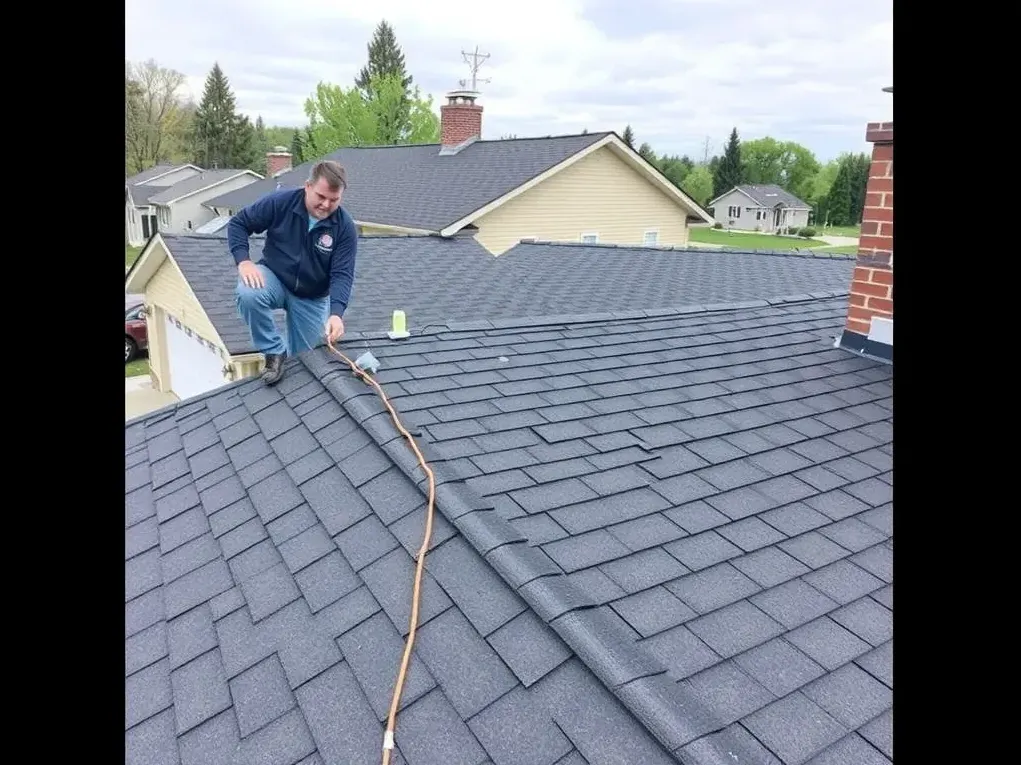
- Chimney flashing and counterflashing get rebuilt where masonry meets the roof deck, since that seam is where most of the leaks we find start.
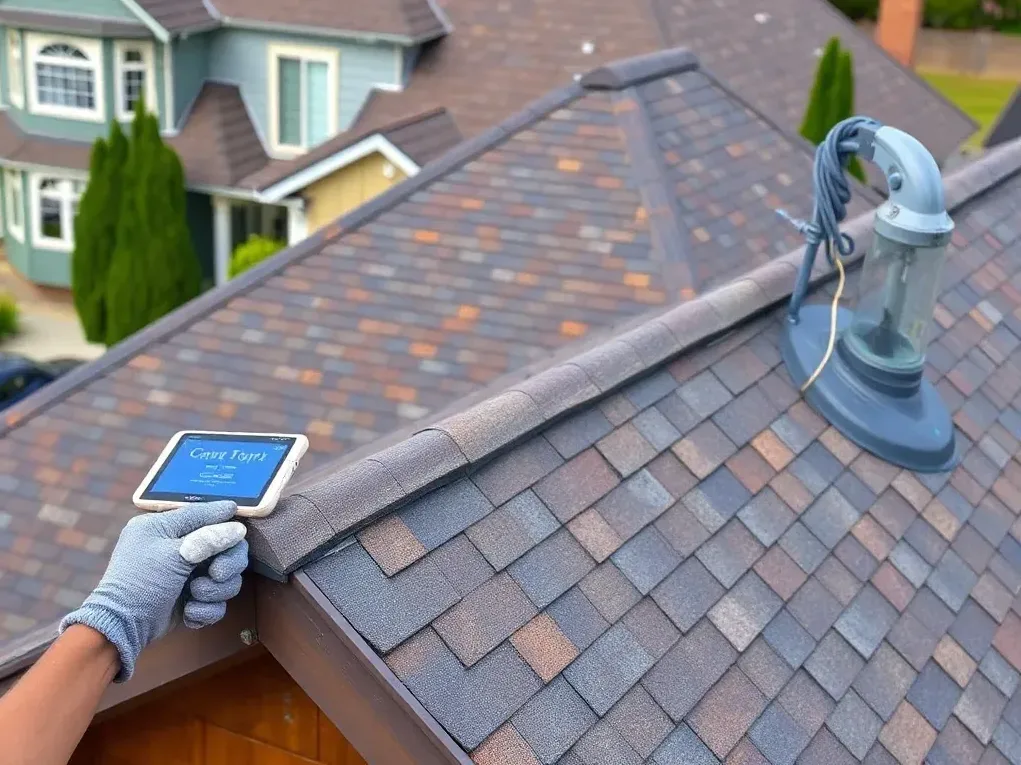
- Pipe boots and vent boots crack at the rubber collar after a decade of UV exposure, so we replace them rather than smear roof cement over the split.
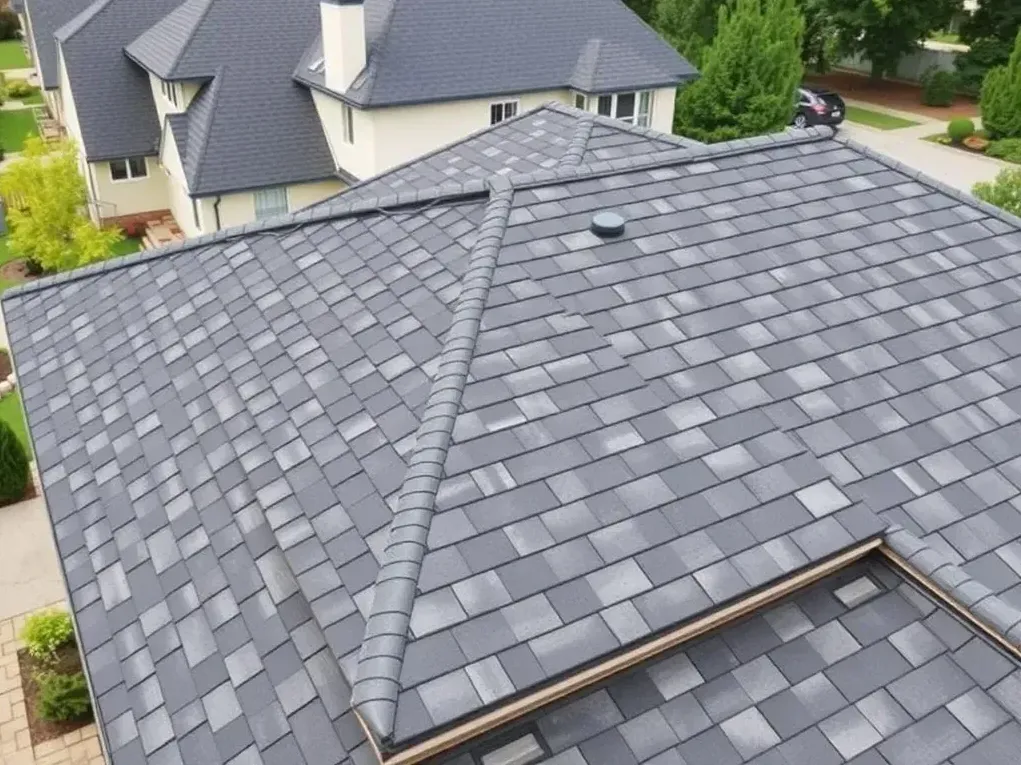
- Ridge caps and ridge vents are resealed so attic ventilation keeps pulling humid summer air up and out of the house.
- Plywood or OSB sheathing that has gone soft gets cut out and replaced before new underlayment goes down.
- Gutters and downspouts are re-pitched and cleared, because a full gutter backs water up under the drip edge and rots the fascia.